

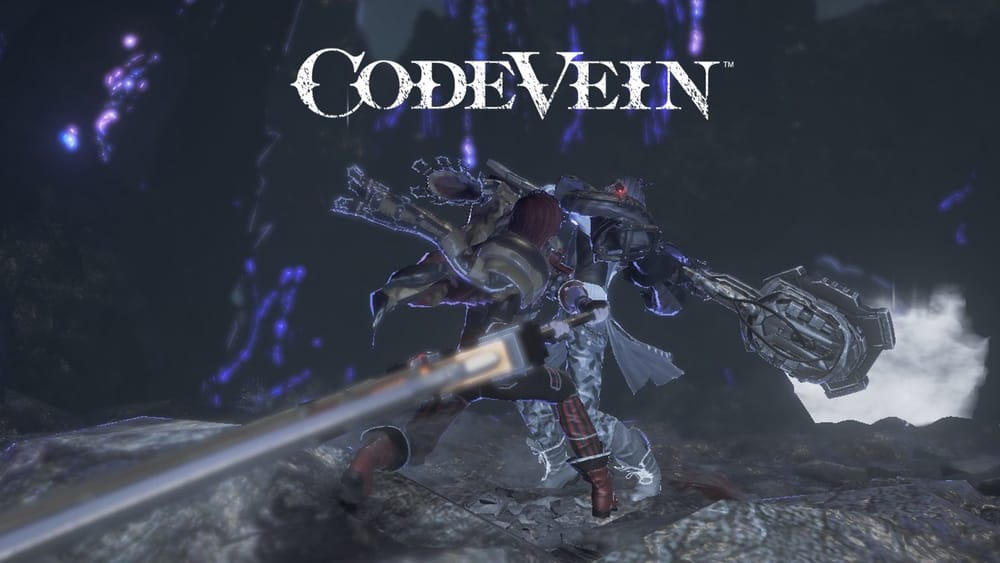
Code Vein
Imperfection at it’s strongest – and why it’s addicting despite it’s flaws.

You probably have heard about the action JRPG Code Vein before. It is, describing it in the most simple way, the anime equivalent of a soulslike – or as others have called this game: “horny Dark Souls”.
Initially it got pretty mixed reviews when it released in September 2019 and I can’t deny that the game has it’s shortcomings. Still: it’s one of the most addictive games I’ve played in recent years. The question is why this game specifically is approachable and engaging despite it also being unpolished and flawed.
Without further ado: let’s jump straight in. With this review I’ll show you exactly how Code Vein is a unique and satisfying experience even though it is, at it’s core, a soulslike clone.
The World of Code Vein
The Set-Up of Code Vein’s story is this: You play a Revenant in the last standing society after a mysterious disaster brought the world to collapse. The final stronghold, Vein, is where the vampiric survivors fight for their humanity. In exchange for memories and the thirst of blood the Revenants are blessed with Gifts. However, if the inhabitants of this world give in too far, they get turned into one of the ghoulish Lost, cursed to wander alone forever with nothing remaining but endless hunger and bloodlust.
This story is more campy and melodramatic than thoughtful. You team up with a quirky set of Revenants and fight together to escape your never-ending nightmare. Code Vein’s story is captivating at parts, especially in the more emotionally strong character arcs. Sadly not all characters have the same level of depth to them, yet they are overall well designed and mostly feel diverse enough to get you engaged and entertained. This works especially well if you’re a weeb and are itching to play through the most convoluted and absurd anime story with your self made protagonist.
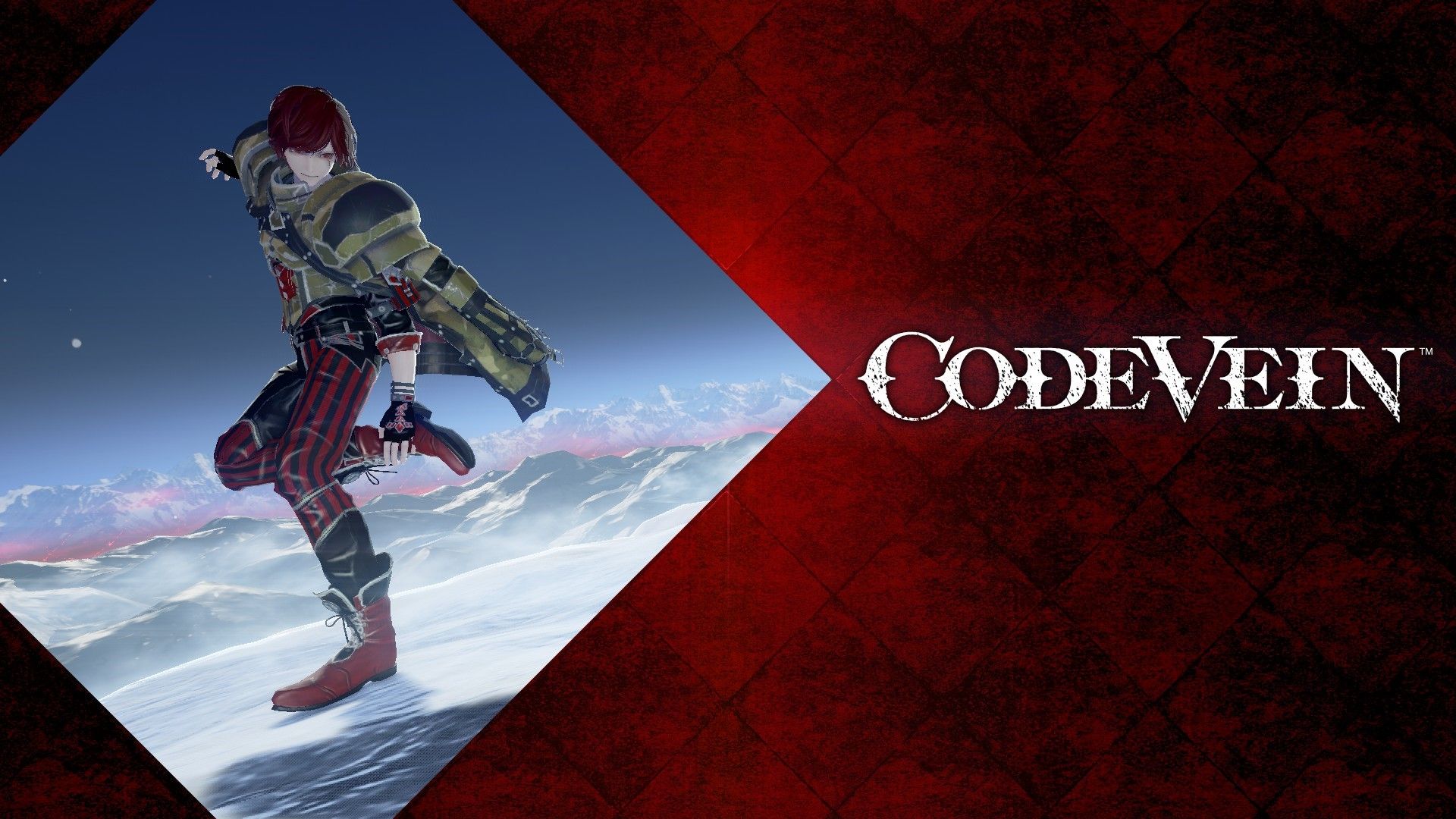
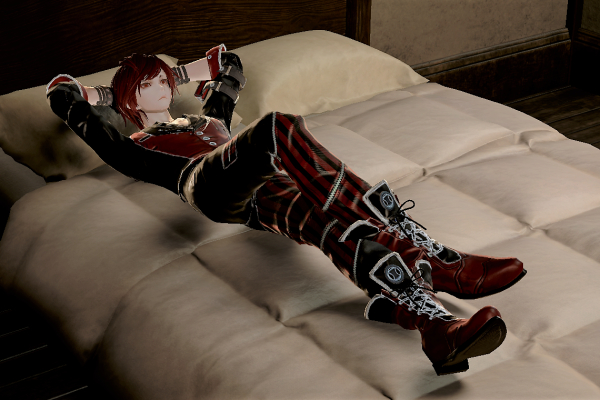
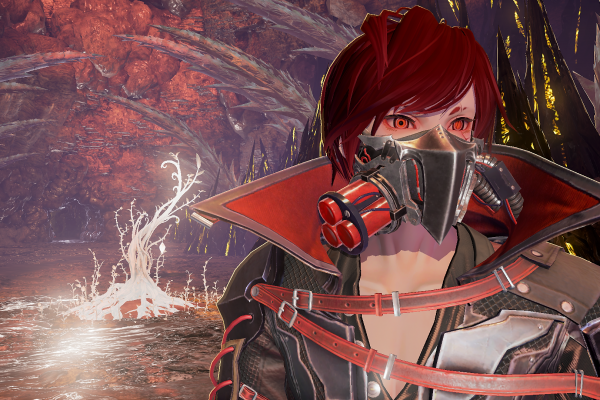
That brings us to the character creation: This feature deserves a shoutout. The character building tool the game gives you is not only robust, you can put hours into it alone. While it doesn’t give you that many clothing options, the amount of different styles and colors you can choose and pick from is insane and worthy of praise. You have a huge amount of menus for the face-up alone. You can polish your character as much as you like and turn your Revenant into a truly individual looking protagonist.
Here are some pictures of my main character Zayne:
Level Design
Code Vein’s level design is not great. They try to sell you this big, connected world: it’s not.
The art direction is mediocre to decent, some environments look bleak, others are almost hopeful and radiant, but sadly they mostly are generic. Loading zones are tunnels you walk through and the individual areas are so disconnected in how they look that any form of realism is lost pretty early on. That doesn’t mean that you don’t get accomplished when you figure out a loop, get out of a maze-like environment or manage to find your next mistle (which is your resting and saving point). It just means that sometimes it’s more convenient to get through the levels by uncovering your map instead of actually exploring the environment, especially since the map also shows treasures and collectibles once you reveal it.
In each area there is a boss waiting to be bested. Reaching this goal definitely feels easier than in other soulslike games but the boss-fights still prove to be a real threat. Ultimately, this makes this game more approachable to players that want a bit less of a gruelling challenge. Code Vein is much more forgiving than it’s From Software brethren but it doesn’t grant you progression that easily. In soulslike fashion you drop your currency when your character dies and have to retrieve it before a second death, or it’s lost forever. (You can instead also opt to only get only half of it back when you return to base and in true anime style take a bath in a hot spring.)
Gameplay
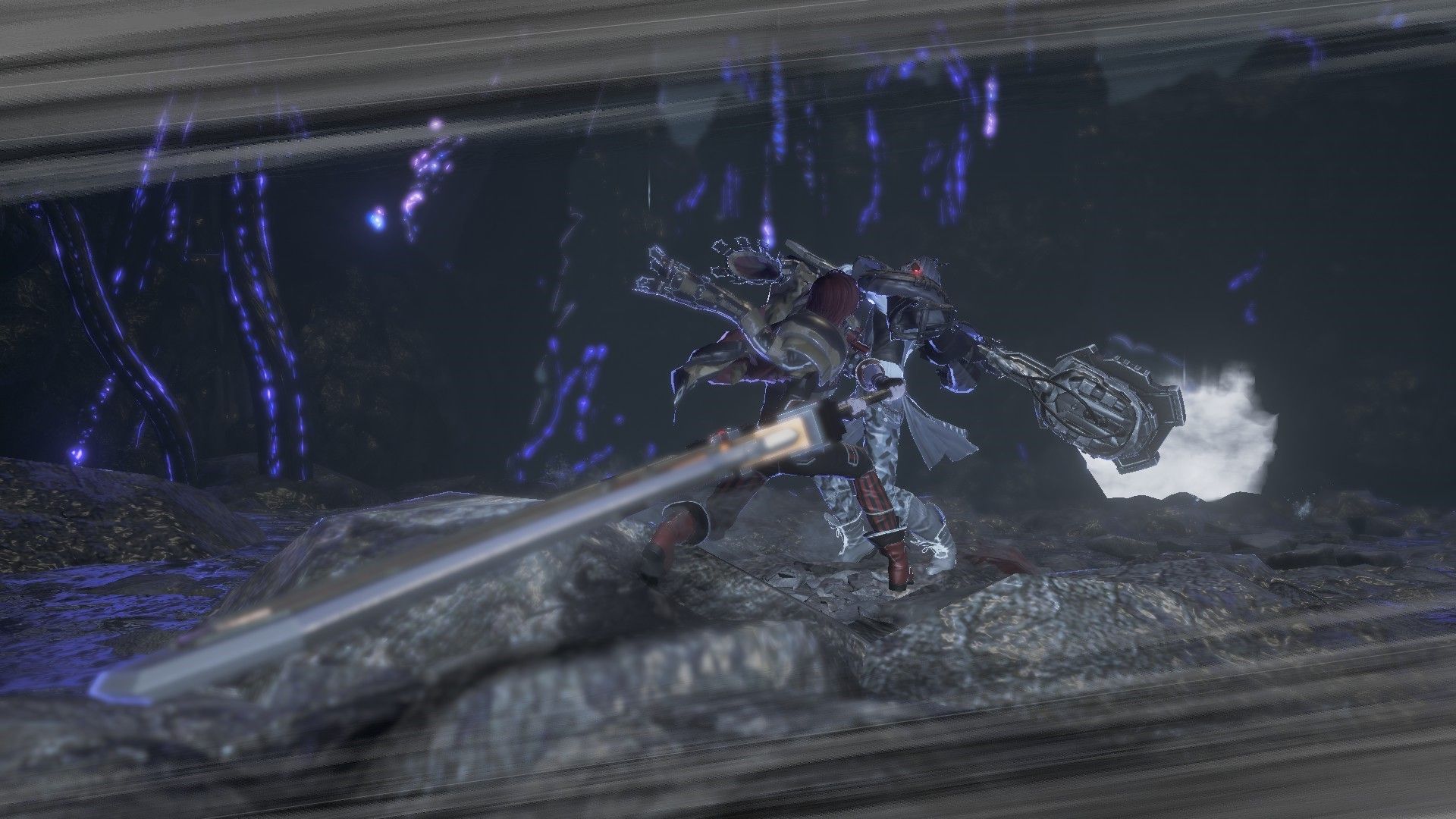
Depending on what magic and weapon class you choose, your gameplay approach changes rapidly. You can either tank your way through enemies with a broadsword, cut through them in hack-and-slash fashion or buff your magic skills and whittle them down from afar. Here’s the thing: You can change your class seamlessly whenever you want, wherever you want.
The Blood Codes – which is the system that directs which weapon and magic ability choices you have – can be swapped and leveld individually. Since you can change them instantly they are fun to play around and experiment with, until you find the ones that are suited best for your playstyle. I personally changed them depending on the area I was in, as well as if I did level exploration or was about to start a bossfight. They each have different strengths and weaknesses and unlock more options the further you level them up, rewarding you even in later sections of the game.
Combat itself is balanced around you and one of the many AI companions that can join you on your adventure. Your companion can help you out of a real pinch, like healing or reviving you. If you wish you can opt out of this and play the game completely solo, which automatically makes handling enemies more difficult. You can also play in co-op together with a friend (plus, if you choose to, the additional AI-companion, so three characters on screen) – but more on that later. All of those are valid options and basically change the difficulty. I personally played with an AI companion but in the end it’s your choice.
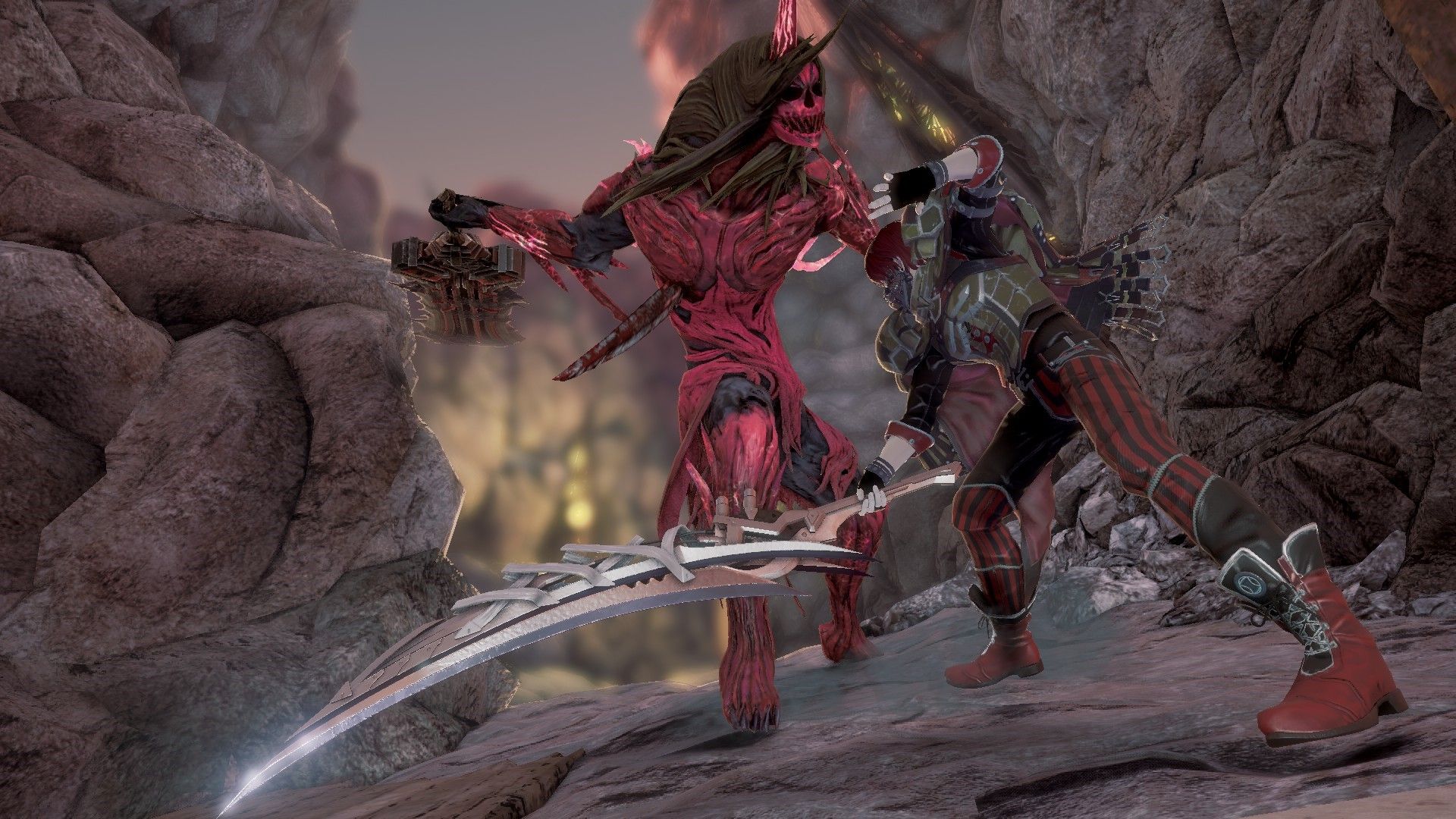
While the combat itself can be a bit floaty and the enemy variety isn’t amazing it never was noticeable to such a degree that it annoyed me. Where the game truly shines are the bossfights: They get more satisfying as the story continues and make you utilise your knowledge of the game as well as your arsenal of different abilities. While the early game bosses are more on the easy side the later ones can get challenging and are insanely fun to beat.
One thing to add: If you use the right equipment you can basically waltz through most of the easier enemies. Leveling your character and abilities can be done pretty easily and make it a less frustrating experience for casual players. I personally stayed underleveled to give myself a challenge since I already used an AI companion and it was the right decision for me.
All in all, Code Vein is a more beginner friendly experience, which I don’t necessarily find is a bad thing. It makes this game a more welcoming adventure because of it. It is easy to jump into and not feel overwhelmed.
And that is ultimately what I think is Code Vein’s strongest point: The choices. The player decides if they want to make their adventure more difficult and challenging or easier by changing the set-up of their gear, deciding for or against AI companions, playing together with a friend or solo, or leveling up powerful abilites – and all of that without the game having different difficulty settings in the first place.
Soundtrack
There is one other thing that I feel is often overlooked when it comes to Code Vein: The OST. It is a banger.
The soundtrack is packed with intense orchestra recordings and emotional vocal pieces. It has leitmotifs that carry through the entire game. Some songs are bombastic and intense, others are simply breathtaking. I still listen to it occasionally because it’s simply that good. There is one downside: It’s only an hour long. The game misses the mark with the overall variety of musical pieces, and sadly the songs aren’t always implemented that well. Certain slow parts of the story repeat the same sad melody so often that by the end of the game it got on my nerves. I just wish there was even more musical variety – but one thing is for sure – what we have is amazing.
Another thing that does stand out positively is the English voice acting. The game also has the option to change the voices to it’s original Japanese.
Co-op
The game can be fully played in co-op together with a friend. Again, this has a downside: While it works well the implementation is not perfect.
One positive thing is how easy it is to set up the co-op session with a password and either join or be joined by another person. It takes two clicks in the multiplayer menu and worked perfectly stable when I tried it.
There are a few things to know though: While you technically can play the whole game together, a player can only join someone else in the areas that they have unlocked themselves. Which means that either when you start the game together you have to play each level twice: Once for your savegame and once for your friends savegame – or one of you needs to have a fully completed savefile. The game automatically throws the player that joined as helper out of the co-op session after an area boss is beaten, which means that you cannot watch the cutscenes that come after a boss together.
In my case I already had played the game completely and therefore I could join someone elses new save file. The game automatically set my character to their level which balanced the difficulty out, though the late-game gear and unlocked abilities that I had definitely made the overall experience easier compared to when I played it myself. We still had a blast and I can only say that it is super fun to experience a game like this together. I highly recommend you try out the co-op if you have the chance to do so.
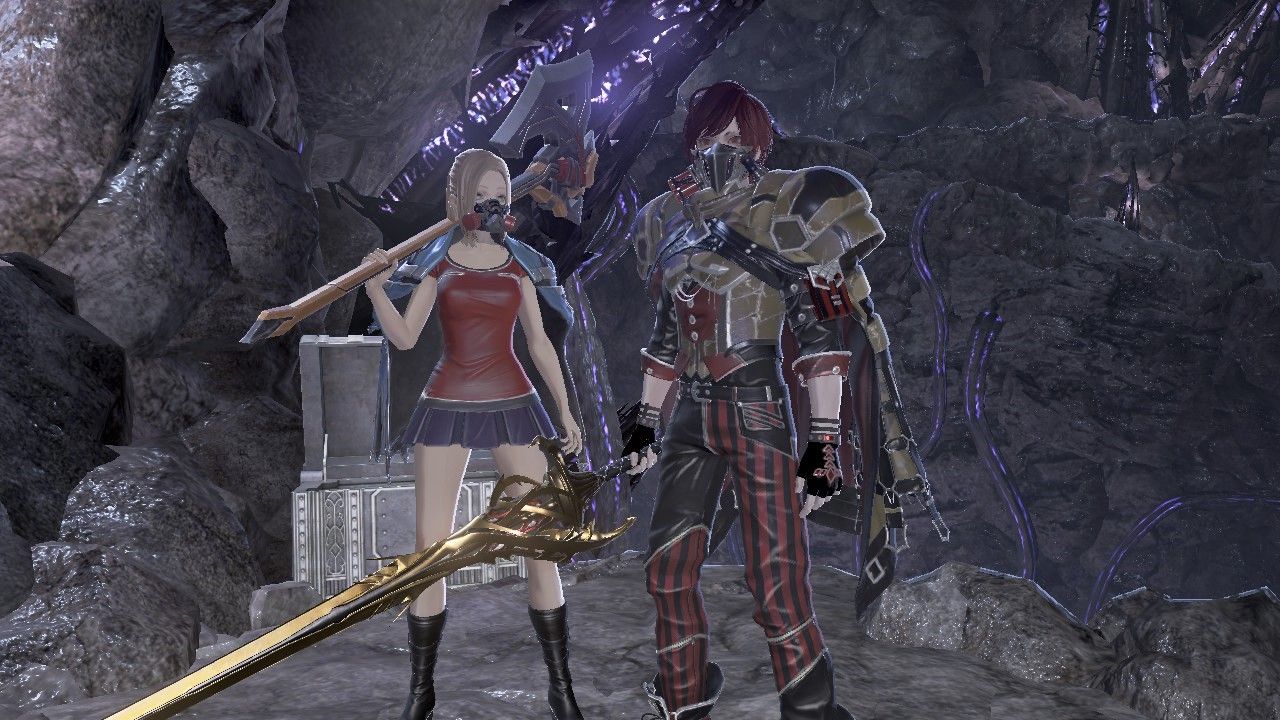
Here is a picture of my co-op experience: the difference between our characters is pretty damn amazing – that’s the power of the before mentioned creation tool.
Demo and where to buy
If this did not convince you to buy Code Vein you should at least try out the free demo which gives you access to the character creator, the first area of the game and a mini-dungeon. If you decide to buy the full game later: The progress does not carry over (so your levels and gear are gone) but you can export your character file and keep the look.